Understanding allergies in children: Navigating the World of Allergens 🤧👶
It’s important to be informed and prepared when it comes to our little ones’ health and well-being.
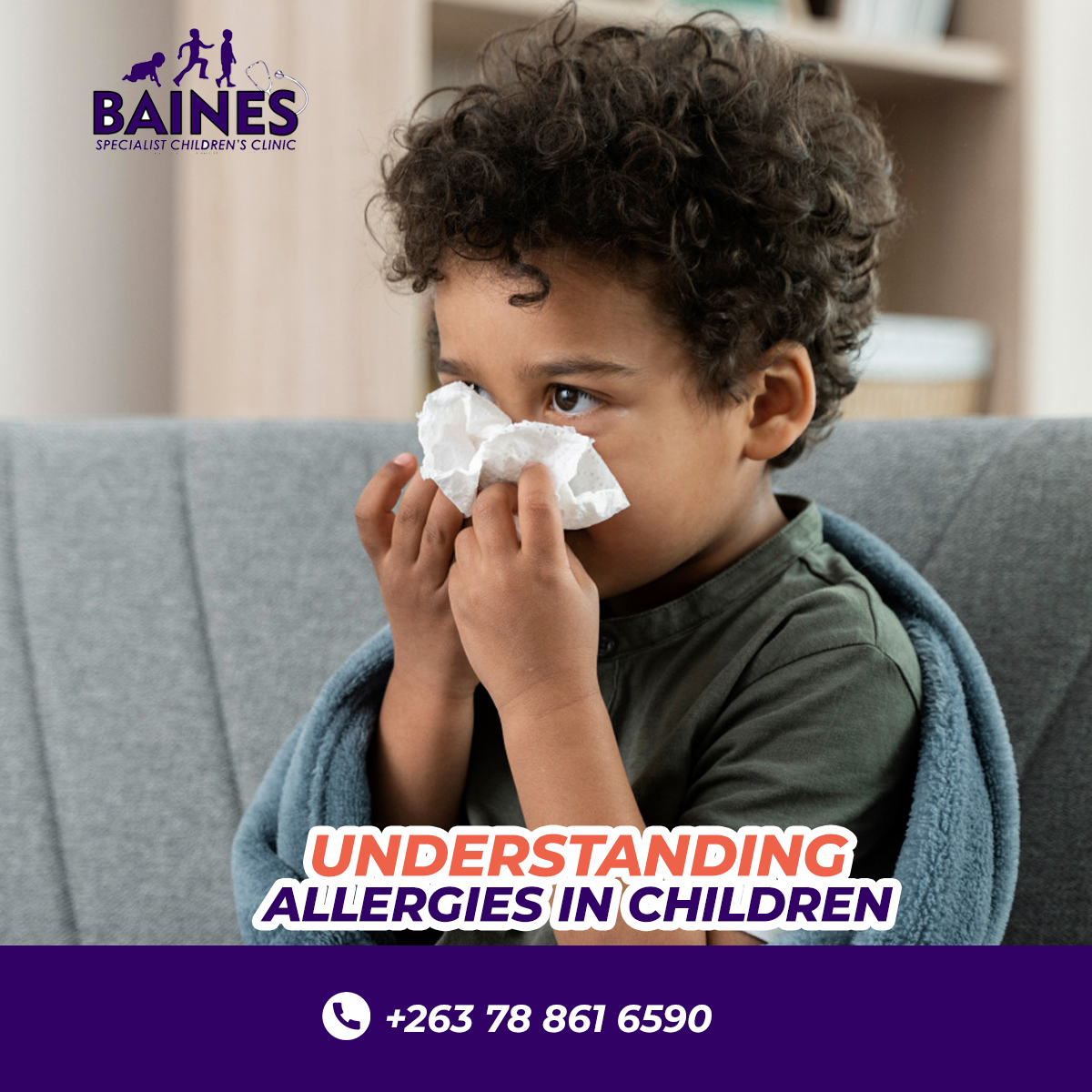
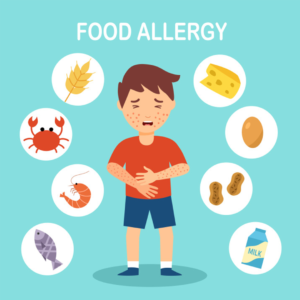
Allergies occur when their immune systems react to certain substances, known as allergens. These can include foods, pet dander, pollen, dust mites, insect bites, or medications. Identifying and managing these allergies is crucial for our little ones’ comfort and health. 🌸
Signs and Symptoms:
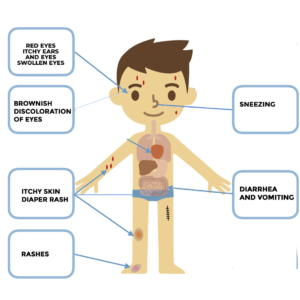
Recognizing allergies in children can be tricky, as symptoms can vary. Look out for signs like skin reactions (rashes, hives, or eczema), respiratory issues (coughing, wheezing, or nasal congestion), recurrent coughs or flus,
digestive problems (vomiting or diarrhea, abdominal pain)
or irritated eyes (redness, watering, or swelling). Being vigilant helps us address allergies promptly.
🔍 Managing Baby Allergies:
If you suspect your baby has allergies, consult with a pediatrician for diagnosis and guidance. Here are some general tips to manage baby allergies:
1️⃣ Avoid Allergens: Identify and eliminate potential allergens from your baby’s environment. Make changes to their diet, use hypoallergenic bedding, and keep pets away from their living space. Prevention is key! 🚫🐾
2️⃣ Breastfeeding: If you’re breastfeeding, continue doing so. Breast milk provides essential nutrients and antibodies that may reduce the risk of allergies. It’s a superpower we possess! 🤱💪
3️⃣ Introduce Solids Carefully: Gradually introduce new foods, monitoring your baby for any allergic reactions. Introduce common allergenic foods early on, as research suggests it may help reduce the risk of allergies. Let’s explore the world of flavors together! 🥦🍓
4️⃣ Allergy Testing: Consult with your pediatrician about allergy testing to identify specific allergens. This knowledge will help avoid triggers and manage allergies effectively. Knowledge is power! 💡
5️⃣ Medications and Treatments: In severe cases, your doctor may prescribe medications like antihistamines or nasal sprays to alleviate symptoms. Always consult with a healthcare professional before giving your baby any medication. Safety first! 🩺❤️
6️⃣ Emergency Preparedness: If your baby has severe allergies, create an emergency action plan. Educate caregivers on recognizing and responding to allergic reactions, and keep necessary medications readily available🦸♀️🚑
Avoid smoking in environments with babies and children. Tobacco smoke can be a trigger in a lot of children.
Remember, each baby is unique, and their allergies may differ. By staying informed, working closely with your pediatrician, and creating a safe environment, we can manage our babies’ allergies and ensure their well-being. Together, we’ve got this! 💪❤️
Disclaimer: This post is for informational purposes only and should not replace professional medical advice. Always consult with a healthcare provider for personalized guidance and treatment options.
#BabyAllergies #ParentingTips #HealthAndWellbeing #KnowledgeIsPower
#Eczema