-
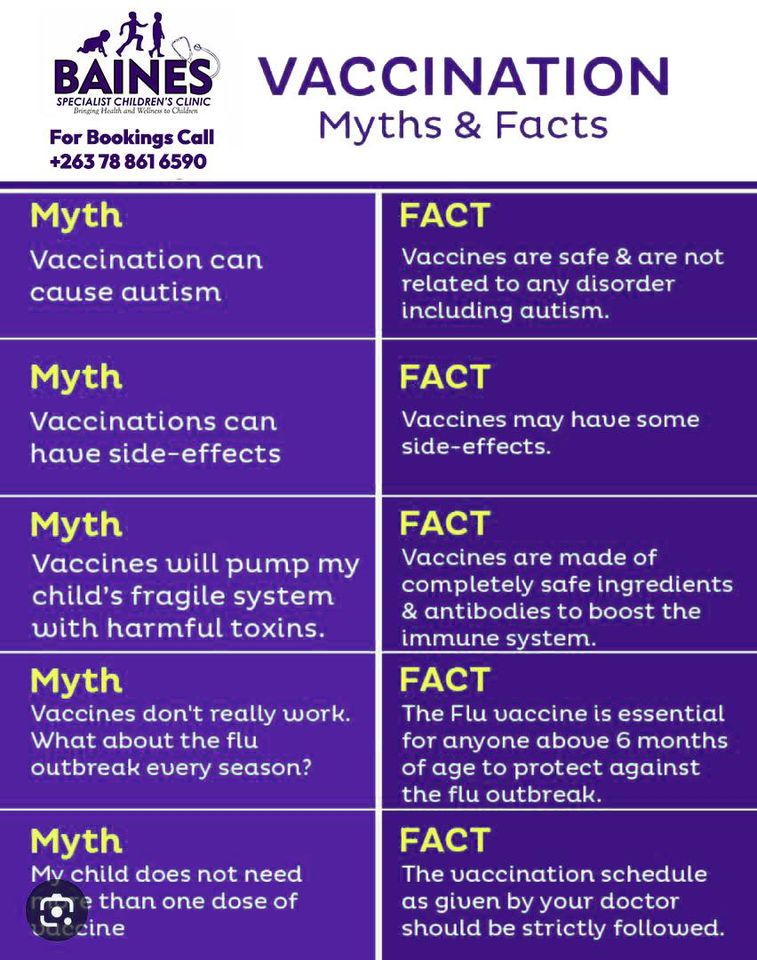
Child vaccinations are crucial for public health, preventing the spread of diseases and protecting children from serious illnesses. Vaccines have successfully eradicated or reduced the prevalence of deadly diseases, making them one of the most successful interventions in history.Vaccines protect against infectious diseases like measles, rubella, rotavirus, Pertusis, influenza,polio, hepatitis B and many others ,preventing severe complications and even death. Some vaccinations are not part of the national schedule and are given in private medical centers. These include mumps vaccines, yellow fever and flu vaccines.Vaccinations also contribute to herd immunity, safeguarding vulnerable individuals who cannot receive vaccinations. Vaccines undergo rigorous testing to ensure safety and efficacy.Child vaccinations offer long-term health benefits, preventing conditions like brain damage ,blindness and death.They are cost-effective, saving healthcare resources. Addressing vaccine hesitancy is crucial to ensure access to these life-saving interventions.Let’s embrace child vaccinations, protect our children, and move towards a healthier future!

#ChildVaccinations #PublicHealth #ProtectOurChildren -
Asthma in Children
Today, let’s shed light on a common respiratory condition affecting our little ones: asthma. It’s crucial to understand and manage this condition to ensure our children lead healthy and active lives. 🌬️💪
Understanding Asthma:
🌪️ Asthma is a chronic lung condition that causes inflammation and narrowing of the airways, making breathing difficult.
🌪️ It affects millions of children worldwide and can have a significant impact on their daily activities and overall well-being.Signs and Symptoms:
🌬️ Frequent coughing, especially during the night or exercise
🌬️ Wheezing or whistling sound during breathing
🌬️ Shortness of breath or rapid breathing
🌬️ Chest tightness or discomfortManaging Childhood Asthma:
💙 Work closely with your child’s healthcare provider to develop an asthma management plan tailored to their needs.
💙 Identify and avoid triggers that can worsen asthma symptoms, such as allergens, irritants, or respiratory infections.
💙 Ensure your child takes prescribed medications as directed, including quick-relief and long-term control medications.
💙 Educate your child about their condition, teaching them how to use inhalers or other devices correctly.
💙 Encourage regular physical activity but ensure it’s done in a safe and controlled environment.
💙 Regularly monitor your child’s symptoms and seek medical attention if they worsen or become unmanageable.Supporting Children with Asthma:
🤝 Create an open and supportive environment where your child feels comfortable discussing their symptoms and concerns.
🤝 Educate teachers, caregivers, and family members about asthma, its triggers, and how to respond in case of an emergency.
🤝 Encourage your child to participate in age-appropriate activities while ensuring their asthma is well-managed.
🤝 Foster a positive mindset, emphasizing that asthma doesn’t define your child and that they can still lead a fulfilling life.Remember, knowledge and proactive management are key to helping our children thrive despite asthma. Let’s work together to support and empower our little warriors!
#ChildhoodAsthmaAwareness #HealthyKids #BreatheEasy -
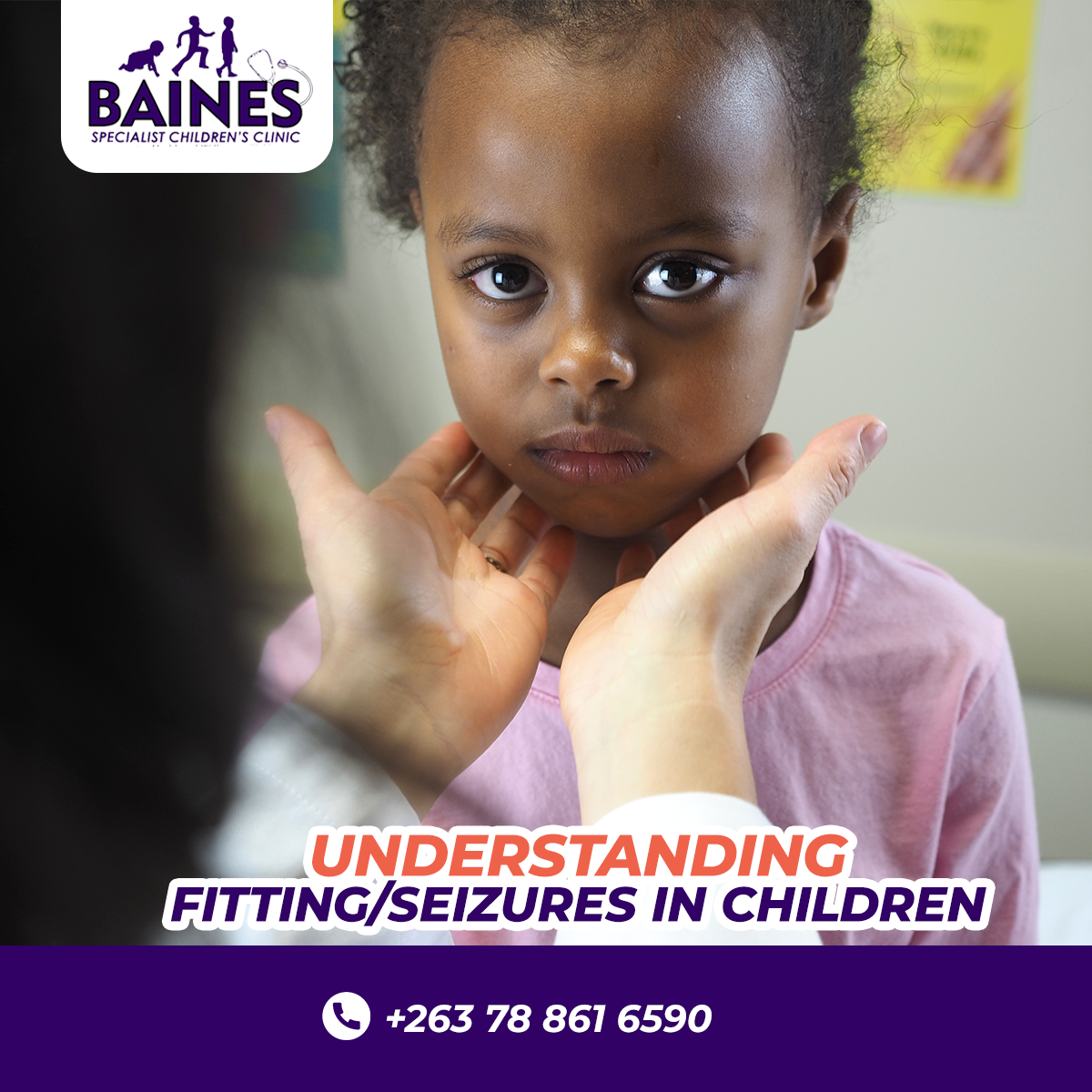
Understanding Fitting/Seizures in Children: What Parents Need to Know
As parents, it’s important to be equipped with knowledge about fitting/seizures in children. Witnessing a seizure in your child can be a distressing experience, but understanding the causes, signs, and appropriate actions can help you provide the necessary support and care.
What are Fitting/Seizures?
Fitting, also known as a seizure, refers to a sudden and abnormal surge of electrical activity in the brain. Seizures can manifest in different ways, such as convulsions (jerking movements), staring spells, or sudden changes in behavior.Recognizing the Signs:
It’s crucial for parents to be able to recognize the signs of a seizure. Common indications include loss of consciousness, jerking movements of the body or limbs, staring into space, sudden changes in behavior or responsiveness, and uncontrolled shaking.What to Do During a Seizure:
When your child experiences a seizure, it’s essential to remain calm and take the following steps:
1. Ensure your child’s safety: Clear the surrounding area of any objects that could pose a risk of injury during the seizure. Cushion their head with a soft object or pillow.
2. Do not restrain your child: Avoid holding them down or trying to stop the movements. Let the seizure run its course.
3. Time the seizure: Note the duration of the seizure. If it lasts longer than five minutes or your child has difficulty breathing, it’s important to seek immediate medical assistance.
4. Stay by their side: Offer reassurance and comfort to your child during and after the seizure. Speak calmly and softly, letting them know you’re there for them.Seeking Medical Attention:
After a seizure, it’s crucial to consult a healthcare professional. They will evaluate your child’s condition, conduct necessary tests, and determine the appropriate course of action.Causes of seizures include but are not limited to:
*Infections like a meningitis
*Epilepsy
*Head trauma
*Bleeding in the brain
*Electrolyte imbalances
*Poisoning
*Brain tumors
*Low blood sugar levelsSupport and Education:
As a parent, it’s important to educate yourself about fitting/seizures and connect with support groups or organizations specializing in childhood epilepsy or seizure disorders.💙 #ChildSeizures #ParentingSupport #ChildHealth
#Fits
#SeizureIsAnEmergency
#SeizuralDisorderDisclaimer: This post is for informational purposes only and should not replace professional medical advice. Always consult with a healthcare provider for personalized guidance and treatment options
-
Children and Screen Time: Nurturing Healthy Development
The impact of screen time on babies and children is a subject of concern for parents and experts. This article explores the effects of screen time on babies and provides guidelines for promoting healthy development.

Understanding Screen Time
Screen time refers to a baby’s interaction with electronic devices. The devices include televisions, cellphones, tablets, video games, laptops. Excessive screen time can negatively impact development.Potential Risks of Excessive Screen Time
1. Delayed Language and Communication Skills
2. Disrupted Sleep Patterns
3. Impaired Cognitive and Motor Skills
4. Reduced Attention and Emotional Regulation
5. Promotes anti- social tendencies.Promoting Healthy Development
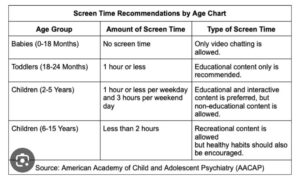
1. Limit Screen Time: Avoid screen time for children under 18 months, except for video chatting. Introduce limited, high-quality programming for children aged 18-24 months, with parental engagement.
2. Prioritize Face-to-Face Interactions: Engage in activities that foster social interaction, such as reading, singing, and playing.
3. Choose Age-Appropriate and Educational Content: Select high-quality, educational programs designed for infants and toddlers.
4. Establish a Consistent Bedtime Routine: Create a screen-free environment before bedtime to support healthy sleep patterns.
5. Have screen free zones eg at the dinning table and in the bedroom. Parents will need to lead by example and avoid screens in these places.Balancing screen time and real-world interactions is crucial for promoting healthy development in babies and children. By following guidelines and being mindful of the potential risks, parents can create an environment that nurtures their children’s growth and learning.
-
Understanding Baby Allergies: Navigating Allergens 🤧👶
Understanding allergies in children: Navigating the World of Allergens 🤧👶
It’s important to be informed and prepared when it comes to our little ones’ health and well-being.
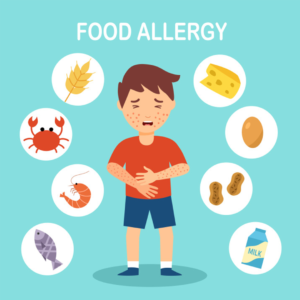
Allergies occur when their immune systems react to certain substances, known as allergens. These can include foods, pet dander, pollen, dust mites, insect bites, or medications. Identifying and managing these allergies is crucial for our little ones’ comfort and health. 🌸
Signs and Symptoms:
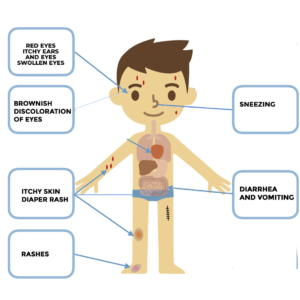
Recognizing allergies in children can be tricky, as symptoms can vary. Look out for signs like skin reactions (rashes, hives, or eczema), respiratory issues (coughing, wheezing, or nasal congestion), recurrent coughs or flus,
digestive problems (vomiting or diarrhea, abdominal pain)
or irritated eyes (redness, watering, or swelling). Being vigilant helps us address allergies promptly.🔍 Managing Baby Allergies:
If you suspect your baby has allergies, consult with a pediatrician for diagnosis and guidance. Here are some general tips to manage baby allergies:1️⃣ Avoid Allergens: Identify and eliminate potential allergens from your baby’s environment. Make changes to their diet, use hypoallergenic bedding, and keep pets away from their living space. Prevention is key! 🚫🐾
2️⃣ Breastfeeding: If you’re breastfeeding, continue doing so. Breast milk provides essential nutrients and antibodies that may reduce the risk of allergies. It’s a superpower we possess! 🤱💪
3️⃣ Introduce Solids Carefully: Gradually introduce new foods, monitoring your baby for any allergic reactions. Introduce common allergenic foods early on, as research suggests it may help reduce the risk of allergies. Let’s explore the world of flavors together! 🥦🍓
4️⃣ Allergy Testing: Consult with your pediatrician about allergy testing to identify specific allergens. This knowledge will help avoid triggers and manage allergies effectively. Knowledge is power! 💡
5️⃣ Medications and Treatments: In severe cases, your doctor may prescribe medications like antihistamines or nasal sprays to alleviate symptoms. Always consult with a healthcare professional before giving your baby any medication. Safety first! 🩺❤️
6️⃣ Emergency Preparedness: If your baby has severe allergies, create an emergency action plan. Educate caregivers on recognizing and responding to allergic reactions, and keep necessary medications readily available🦸♀️🚑
Avoid smoking in environments with babies and children. Tobacco smoke can be a trigger in a lot of children.
Remember, each baby is unique, and their allergies may differ. By staying informed, working closely with your pediatrician, and creating a safe environment, we can manage our babies’ allergies and ensure their well-being. Together, we’ve got this! 💪❤️
Disclaimer: This post is for informational purposes only and should not replace professional medical advice. Always consult with a healthcare provider for personalized guidance and treatment options.
#BabyAllergies #ParentingTips #HealthAndWellbeing #KnowledgeIsPower
#Eczema -
👶😫 Understanding Colic: Dealing with Infant Discomfort
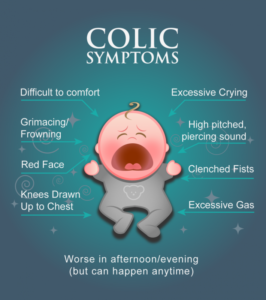
Colic is a temporary condition where healthy babies experience prolonged periods of intense crying and fussiness. Here are some tips for coping:

1️⃣ Comfort and Soothe: Hold your baby close, rock gently, and try techniques like swaddling or babywearing for security.
2️⃣ Experiment with Feeding: Adjust your diet if breastfeeding, or consult your pediatrician for formula options if formula-feeding.
3️⃣ Burp Frequently: Remember to burp your baby during and after feedings to release trapped air.
4️⃣ Try Gentle Movement: Explore soothing movements like stroller walks, vibrating baby seats, or a car ride.
5️⃣ White Noise and Calming Techniques: Use gentle sounds like white noise or soft music, and consider infant massage or warm baths.
6️⃣ Seek Support: Lean on your partner, family, friends, and join parent support groups. Reach out to healthcare professionals for guidance.

Disclaimer: This post provides information only and does not replace professional medical advice. Consult a healthcare provider for personalized guidance and treatment options.
Remember to consult your pediatrician for any concerns. Together, we’ll navigate colic and come out stronger! 💪❤️
#ColicAwareness #ParentingTips #SupportEachOther #YouveGotThis
-
How much fluid your child needs every day?
Keeping your child well hydrated is crucial to their overall health and well-being. But how much fluid does your child actually need every day? The answer depends on a number of factors, including their age, weight, activity level, and the climate in which they live.Here are some general guidelines on how much fluid your child needs every day:Infants: Infants who are breastfed or formula-fed do not need additional fluids until they begin eating solid foods. After that, they typically need 4-8 ounces of water or other fluids per day.Toddlers: Toddlers need about 2-4 cups of fluids per day. This can include water, milk, and other fluids such as fruit juice or soup.Children: Children between the ages of 4 and 8 need about 5 cups of fluids per day. Older children and adolescents need about 7-8 cups of fluids per day.It is important to note that these are general guidelines and that the actual amount of fluid your child needs may vary based on their individual needs. Factors such as activity level, climate, and illness can all impact fluid needs.In addition to water, children can also get fluids from other sources such as milk, juice, and soup. However, it is important to limit sugary drinks such as soda and fruit juice, as these can contribute to tooth decay and obesity.Ensuring that your child is well hydrated is an important part of promoting their overall health and well-being. By following these general guidelines and encouraging your child to drink fluids throughout the day, you can help ensure that they are getting the fluids they need to stay healthy and active.We hope you found this article helpful.: . -
How to deal with flu and coughs during winter
Winter can be a challenging time for parents, as children are more prone to colds, flus, and coughs during this season. While these illnesses can be difficult to prevent entirely, there are steps you can take to help your child stay healthy and comfortable during the winter months.First, make sure your child gets plenty of rest and stays hydrated. Encourage them to drink plenty of fluids, such as water, tea, or soup, to help keep their airways moist and relieve congestion. Make sure they get plenty of sleep, as this will help boost their immune system and aid in healing.You can also use over-the-counter medications to help relieve symptoms such as coughing, congestion, and fever. However, be sure to read the label carefully and follow the recommended dosage based on your child’s age and weight. Always consult with your child’s healthcare provider before administering any medication.Another effective way to prevent the spread of illness is to practice good hygiene. Encourage your child to wash their hands frequently, especially before eating or touching their face. Teach them to cover their mouth and nose when coughing or sneezing, and dispose of used tissues promptly. Consider having hand sanitizer available for use when handwashing is not possible.Finally, if your child’s symptoms persist for more than a few days or seem to be getting worse, don’t hesitate to contact their healthcare provider. They may recommend additional treatment or testing, such as a flu test or chest x-ray.By taking these simple steps, you can help your child stay healthy and comfortable during the winter months. Remember, prevention is key, so encourage good habits and stay vigilant for signs of illness.