• Asthma in Children

    Today, let’s shed light on a common respiratory condition affecting our little ones: asthma. It’s crucial to understand and manage this condition to ensure our children lead healthy and active lives. 🌬️💪


    Understanding Asthma:
    🌪️ Asthma is a chronic lung condition that causes inflammation and narrowing of the airways, making breathing difficult.
    🌪️ It affects millions of children worldwide and can have a significant impact on their daily activities and overall well-being.

    Signs and Symptoms:
    🌬️ Frequent coughing, especially during the night or exercise
    🌬️ Wheezing or whistling sound during breathing
    🌬️ Shortness of breath or rapid breathing
    🌬️ Chest tightness or discomfort

    Managing Childhood Asthma:
    💙 Work closely with your child’s healthcare provider to develop an asthma management plan tailored to their needs.
    💙 Identify and avoid triggers that can worsen asthma symptoms, such as allergens, irritants, or respiratory infections.
    💙 Ensure your child takes prescribed medications as directed, including quick-relief and long-term control medications.
    💙 Educate your child about their condition, teaching them how to use inhalers or other devices correctly.
    💙 Encourage regular physical activity but ensure it’s done in a safe and controlled environment.
    💙 Regularly monitor your child’s symptoms and seek medical attention if they worsen or become unmanageable.

    Supporting Children with Asthma:
    🤝 Create an open and supportive environment where your child feels comfortable discussing their symptoms and concerns.
    🤝 Educate teachers, caregivers, and family members about asthma, its triggers, and how to respond in case of an emergency.
    🤝 Encourage your child to participate in age-appropriate activities while ensuring their asthma is well-managed.
    🤝 Foster a positive mindset, emphasizing that asthma doesn’t define your child and that they can still lead a fulfilling life.

    Remember, knowledge and proactive management are key to helping our children thrive despite asthma. Let’s work together to support and empower our little warriors!
    #ChildhoodAsthmaAwareness #HealthyKids #BreatheEasy
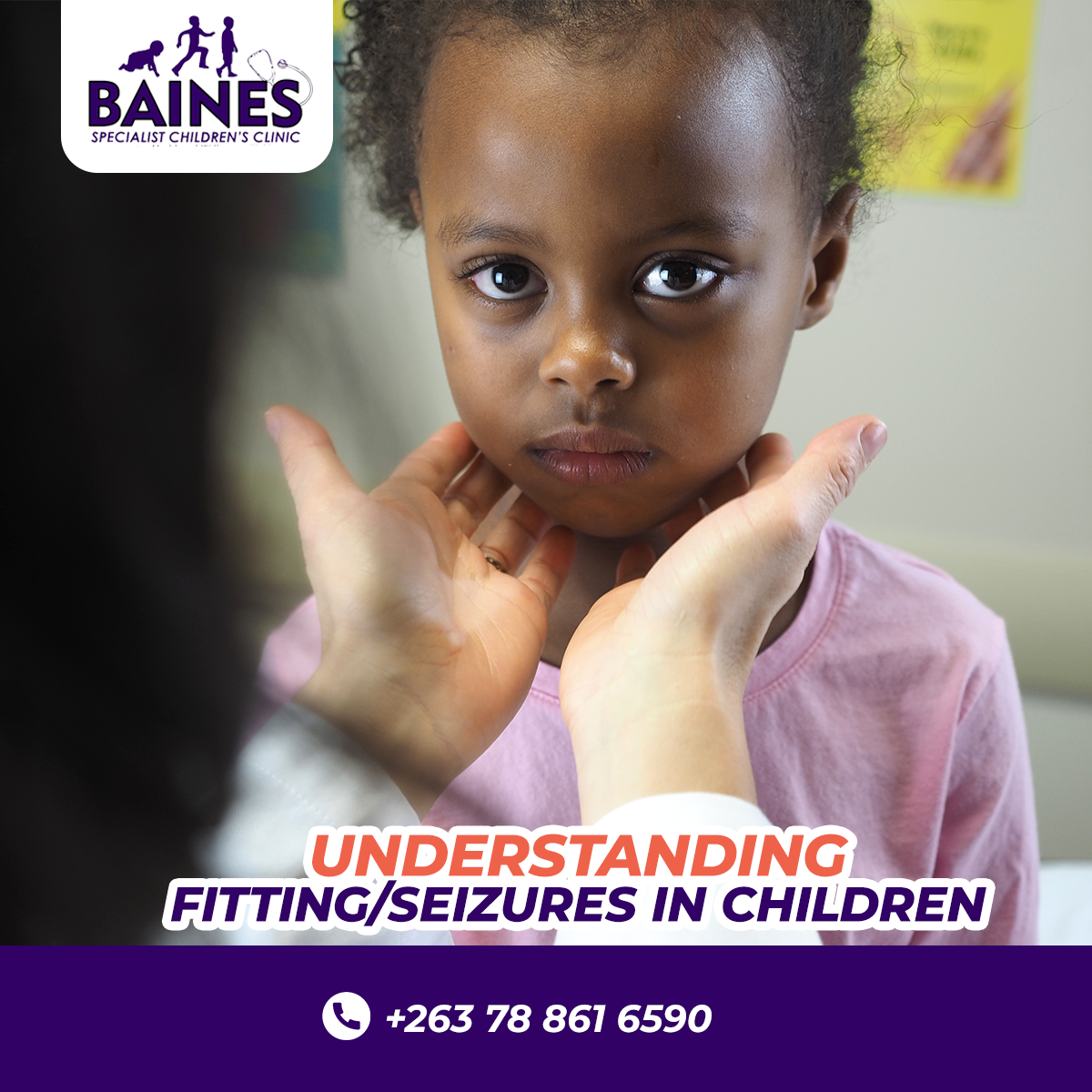
  • Understanding Fitting/Seizures in Children: What Parents Need to Know

    As parents, it’s important to be equipped with knowledge about fitting/seizures in children. Witnessing a seizure in your child can be a distressing experience, but understanding the causes, signs, and appropriate actions can help you provide the necessary support and care.

    What are Fitting/Seizures?
    Fitting, also known as a seizure, refers to a sudden and abnormal surge of electrical activity in the brain. Seizures can manifest in different ways, such as convulsions (jerking movements), staring spells, or sudden changes in behavior.

    Recognizing the Signs:
    It’s crucial for parents to be able to recognize the signs of a seizure. Common indications include loss of consciousness, jerking movements of the body or limbs, staring into space, sudden changes in behavior or responsiveness, and uncontrolled shaking.

    What to Do During a Seizure:
    When your child experiences a seizure, it’s essential to remain calm and take the following steps:
    1. Ensure your child’s safety: Clear the surrounding area of any objects that could pose a risk of injury during the seizure. Cushion their head with a soft object or pillow.
    2. Do not restrain your child: Avoid holding them down or trying to stop the movements. Let the seizure run its course.
    3. Time the seizure: Note the duration of the seizure. If it lasts longer than five minutes or your child has difficulty breathing, it’s important to seek immediate medical assistance.
    4. Stay by their side: Offer reassurance and comfort to your child during and after the seizure. Speak calmly and softly, letting them know you’re there for them.

    Seeking Medical Attention:
    After a seizure, it’s crucial to consult a healthcare professional. They will evaluate your child’s condition, conduct necessary tests, and determine the appropriate course of action.

    Causes of seizures include but are not limited to:
    *Infections like a meningitis
    *Epilepsy
    *Head trauma
    *Bleeding in the brain
    *Electrolyte imbalances
    *Poisoning
    *Brain tumors
    *Low blood sugar levels


    Support and Education:
    As a parent, it’s important to educate yourself about fitting/seizures and connect with support groups or organizations specializing in childhood epilepsy or seizure disorders.

    💙 #ChildSeizures #ParentingSupport #ChildHealth
    #Fits
    #SeizureIsAnEmergency
    #SeizuralDisorder

    Disclaimer: This post is for informational purposes only and should not replace professional medical advice. Always consult with a healthcare provider for personalized guidance and treatment options

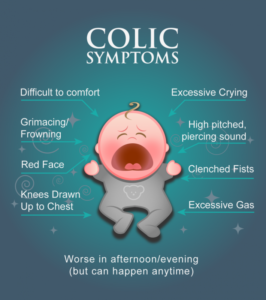
  • 👶😫 Understanding Colic: Dealing with Infant Discomfort

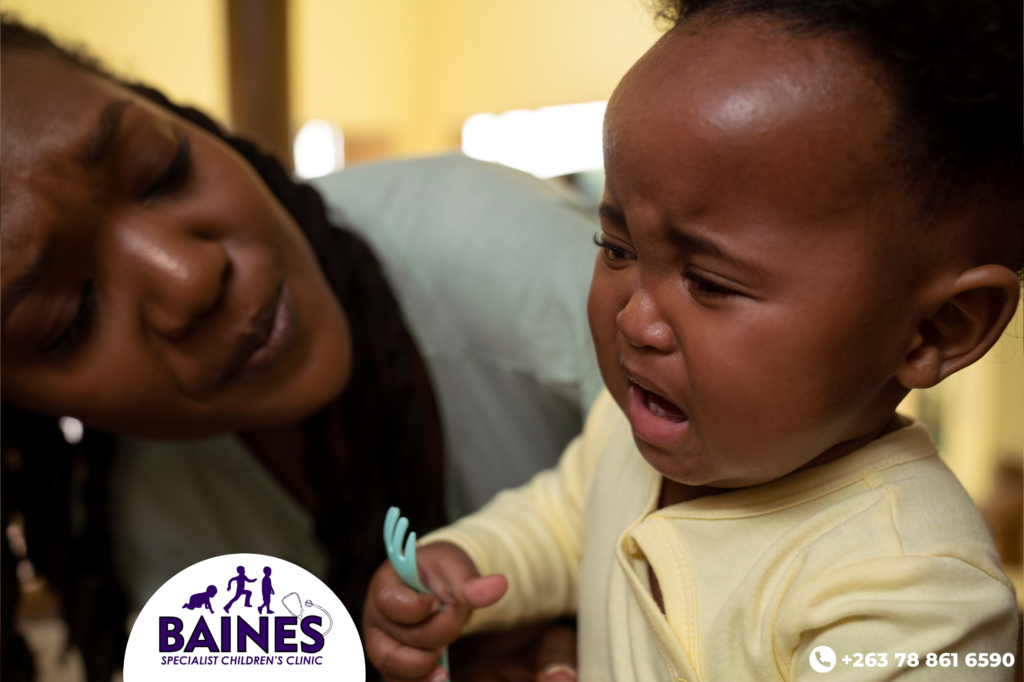
    Colic is a temporary condition where healthy babies experience prolonged periods of intense crying and fussiness. Here are some tips for coping:

    1️⃣ Comfort and Soothe: Hold your baby close, rock gently, and try techniques like swaddling or babywearing for security.

    2️⃣ Experiment with Feeding: Adjust your diet if breastfeeding, or consult your pediatrician for formula options if formula-feeding.

    3️⃣ Burp Frequently: Remember to burp your baby during and after feedings to release trapped air.

    4️⃣ Try Gentle Movement: Explore soothing movements like stroller walks, vibrating baby seats, or a car ride.

    5️⃣ White Noise and Calming Techniques: Use gentle sounds like white noise or soft music, and consider infant massage or warm baths.

    6️⃣ Seek Support: Lean on your partner, family, friends, and join parent support groups. Reach out to healthcare professionals for guidance.

    Disclaimer: This post provides information only and does not replace professional medical advice. Consult a healthcare provider for personalized guidance and treatment options.

    Remember to consult your pediatrician for any concerns. Together, we’ll navigate colic and come out stronger! 💪❤️

    #ColicAwareness #ParentingTips #SupportEachOther #YouveGotThis

  • Baby Sleeping positions

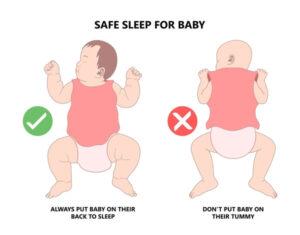
    When it comes to our little ones, their safety and well-being are always our top priority. Today, let’s talk about the ideal baby sleeping positions to ensure their peaceful slumber.

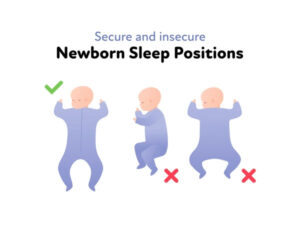
    1. Back to Sleep: Lay your baby on their back to sleep on a firm mattress, free from pillows, blankets, or stuffed animals. This reduces the risk of Sudden Infant Death Syndrome (SIDS). Putting them on their side as well increases the risk of SIDS.

    2. Room-Sharing is Caring: Keep your baby’s crib or bassinet in your room for the first six months. It allows for easy monitoring and quick response to their needs.

    3. Avoid Co-Sleeping: Sharing the same sleep surface increases the risk of suffocation or injury. Consider using a bedside sleeper or attached bassinet instead.

    4. Tummy Time is Playtime: Encourage supervised tummy time when your baby is awake to strengthen their muscles and promote development. Remember, tummy time is not for sleeping.

    5. Swaddle Safely: If you swaddle, use a lightweight, breathable blanket and ensure it’s snug but not too tight. Transition out of swaddling when your baby starts rolling over.

    Consult your pediatrician for personalized recommendations. Let’s prioritize safe sleep practices for our little ones’ sweetest dreams! ❤️👶

    Disclaimer: This article provides general information and should not replace medical advice. Consult your healthcare provider for personalized guidance.

    Bookings @ Baines Specialist Childrens Clinic: +263 78 861 6590

    #SafeSleeping #SweetDreams #BabySafety #ParentingTips

  • How much fluid your child needs every day?

    Keeping your child well hydrated is crucial to their overall health and well-being. But how much fluid does your child actually need every day? The answer depends on a number of factors, including their age, weight, activity level, and the climate in which they live.
    Here are some general guidelines on how much fluid your child needs every day:
    Infants: Infants who are breastfed or formula-fed do not need additional fluids until they begin eating solid foods. After that, they typically need 4-8 ounces of water or other fluids per day.
    Toddlers: Toddlers need about 2-4 cups of fluids per day. This can include water, milk, and other fluids such as fruit juice or soup.
    Children: Children between the ages of 4 and 8 need about 5 cups of fluids per day. Older children and adolescents need about 7-8 cups of fluids per day.
    It is important to note that these are general guidelines and that the actual amount of fluid your child needs may vary based on their individual needs. Factors such as activity level, climate, and illness can all impact fluid needs.
    In addition to water, children can also get fluids from other sources such as milk, juice, and soup. However, it is important to limit sugary drinks such as soda and fruit juice, as these can contribute to tooth decay and obesity.
    Ensuring that your child is well hydrated is an important part of promoting their overall health and well-being. By following these general guidelines and encouraging your child to drink fluids throughout the day, you can help ensure that they are getting the fluids they need to stay healthy and active.
    We hope you found this article helpful.
    : .
  • 7 Reasons Why Immunization is Important for your Child

    Immunisation is one of the most important steps you can take as a parent to protectyour child’s health. By ensuring that your child receives recommended vaccinations, you can help protect them from a range of serious and potentially life-threatening diseases.
    Here are 7 reasons why immunisation is important for your child:
    1. Protection from serious diseases: Immunisation protects children from a range of serious diseases such as measles, polio, and whooping cough. These diseases can cause severe illness, hospitalisation, and even death.
    2. Herd immunity: When a large proportion of a population is vaccinated against a disease, it creates herd immunity. This means that even those who are not vaccinated are protected because the disease is less likely to spread.
    3. Safe and effective: Vaccines are thoroughly tested for safety and effectiveness before they are approved for use. They are one of the safest and most effective ways to protect against infectious diseases.
    4. Saves time and money: Immunisation is a cost-effective way to prevent disease. It is much less expensive to prevent a disease through vaccination than to treat it after it occurs.
    5. Protects future generations: Immunisation not only protects the individual child who receives the vaccine, but it also protects future generations by reducing the spread of disease.
    6. Required for school attendance: In many countries, children are required to be immunised against certain diseases in order to attend school. This helps to protect the health of all children in the school community.
    7. It’s part of responsible parenting: As a parent, it is your responsibility to protect your child’s health to the best of your ability. Immunisation is a critical part of that responsibility.
    Immunisation is a vital part of protecting your child’s health. By ensuring that your child receives recommended vaccinations, you can help protect them from serious diseases, save time and money, and contribute to the health of future generations. Talk to your healthcare provider about recommended immunisations for your child.
    We hope you found this article helpful.
    : .
  • How to deal with flu and coughs during winter

    Winter can be a challenging time for parents, as children are more prone to colds, flus, and coughs during this season. While these illnesses can be difficult to prevent entirely, there are steps you can take to help your child stay healthy and comfortable during the winter months.
    First, make sure your child gets plenty of rest and stays hydrated. Encourage them to drink plenty of fluids, such as water, tea, or soup, to help keep their airways moist and relieve congestion. Make sure they get plenty of sleep, as this will help boost their immune system and aid in healing.
    You can also use over-the-counter medications to help relieve symptoms such as coughing, congestion, and fever. However, be sure to read the label carefully and follow the recommended dosage based on your child’s age and weight. Always consult with your child’s healthcare provider before administering any medication.
    Another effective way to prevent the spread of illness is to practice good hygiene. Encourage your child to wash their hands frequently, especially before eating or touching their face. Teach them to cover their mouth and nose when coughing or sneezing, and dispose of used tissues promptly. Consider having hand sanitizer available for use when handwashing is not possible.
    Finally, if your child’s symptoms persist for more than a few days or seem to be getting worse, don’t hesitate to contact their healthcare provider. They may recommend additional treatment or testing, such as a flu test or chest x-ray.
    By taking these simple steps, you can help your child stay healthy and comfortable during the winter months. Remember, prevention is key, so encourage good habits and stay vigilant for signs of illness.