-
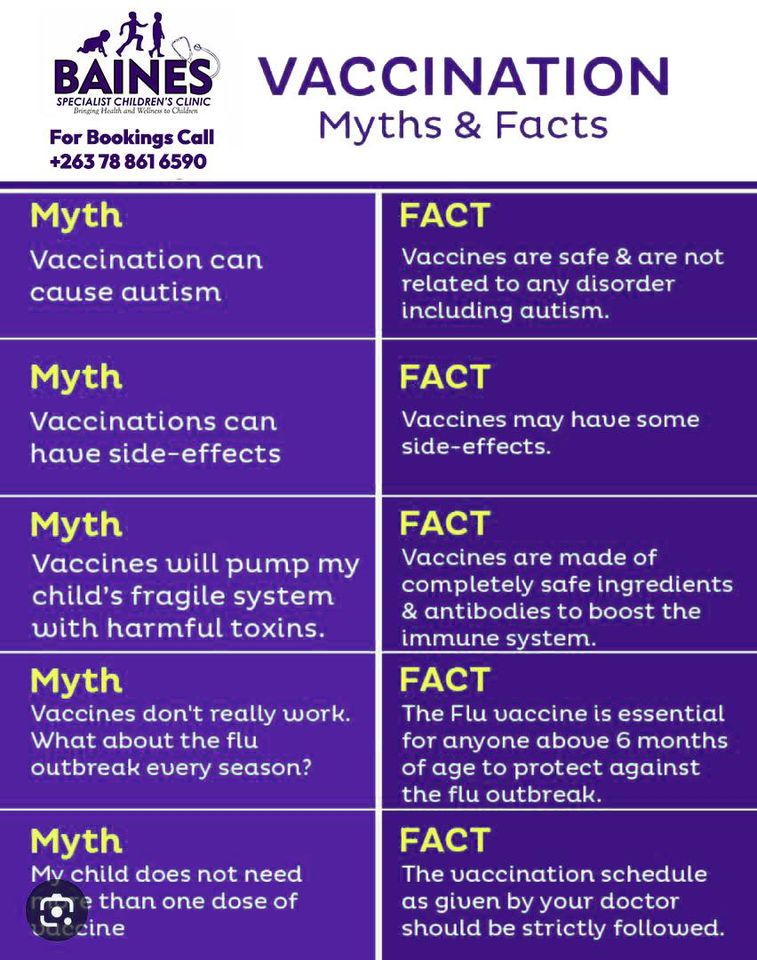
Child vaccinations are crucial for public health, preventing the spread of diseases and protecting children from serious illnesses. Vaccines have successfully eradicated or reduced the prevalence of deadly diseases, making them one of the most successful interventions in history.Vaccines protect against infectious diseases like measles, rubella, rotavirus, Pertusis, influenza,polio, hepatitis B and many others ,preventing severe complications and even death. Some vaccinations are not part of the national schedule and are given in private medical centers. These include mumps vaccines, yellow fever and flu vaccines.Vaccinations also contribute to herd immunity, safeguarding vulnerable individuals who cannot receive vaccinations. Vaccines undergo rigorous testing to ensure safety and efficacy.Child vaccinations offer long-term health benefits, preventing conditions like brain damage ,blindness and death.They are cost-effective, saving healthcare resources. Addressing vaccine hesitancy is crucial to ensure access to these life-saving interventions.Let’s embrace child vaccinations, protect our children, and move towards a healthier future!

#ChildVaccinations #PublicHealth #ProtectOurChildren -
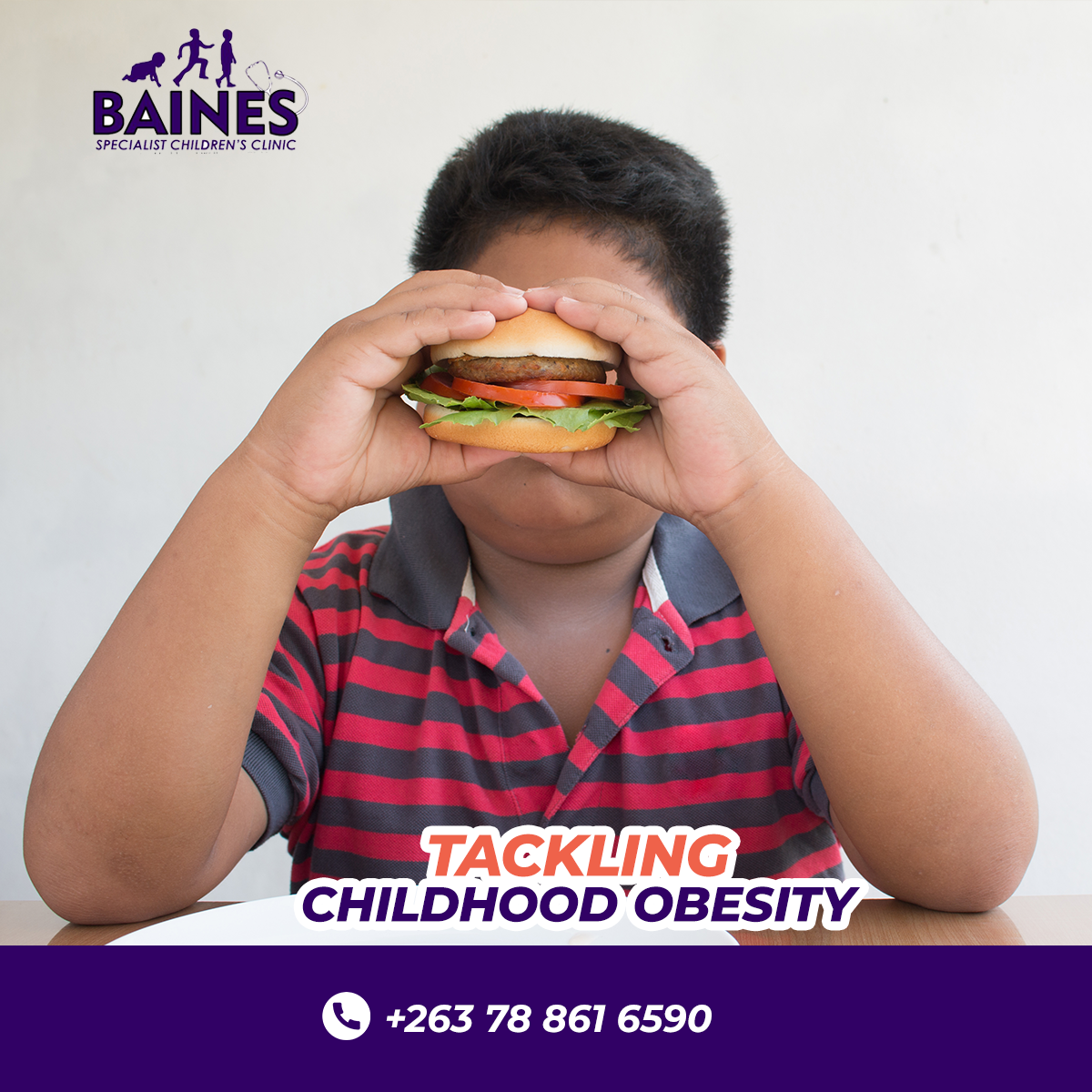
Tackling Childhood Obesity: A Growing Concern
Childhood obesity is a growing concern that demands our attention. It’s time to take action and make a positive change for our children’s health and well-being. 🌱💪


Causes of Childhood Obesity:
☑️ Unhealthy eating habits
☑️ Sedentary lifestyles
☑️ Environmental factors
☑️ Genetic and hormonal influencesEffects of Childhood Obesity:
🚫 Chronic conditions
🚫 Low self-esteem
🚫 Mental health challenges
🚫 Long-term health risks
*Obstructive sleep apnea
*At risk of bullying at schoolAddressing Childhood Obesity:
Let’s work together to combat childhood obesity by:
1️⃣ Promoting healthy eating habits
2️⃣ Encouraging physical activity
3️⃣ Creating a supportive environment
4️⃣ Increasing education and awareness
5️⃣ Collaborating with schools
6️⃣ Advocating for policy interventions
7. Parents and guardians should set good examples with regards healthy eating habits
8. Avoid rewarding children with sweets and find alternative rewarding methodsTogether, we can make a difference! Let’s prioritize our children’s health and ensure a brighter and healthier future for them. 💚👨👩👧👦
#ChildhoodObesityAwareness #HealthyKids #LetThemThrive
Disclaimer: This post is for informational purposes only and should not replace professional medical advice. Always consult with a healthcare provider for personalized guidance and treatment options
-
Children and Screen Time: Nurturing Healthy Development
The impact of screen time on babies and children is a subject of concern for parents and experts. This article explores the effects of screen time on babies and provides guidelines for promoting healthy development.

Understanding Screen Time
Screen time refers to a baby’s interaction with electronic devices. The devices include televisions, cellphones, tablets, video games, laptops. Excessive screen time can negatively impact development.Potential Risks of Excessive Screen Time
1. Delayed Language and Communication Skills
2. Disrupted Sleep Patterns
3. Impaired Cognitive and Motor Skills
4. Reduced Attention and Emotional Regulation
5. Promotes anti- social tendencies.Promoting Healthy Development
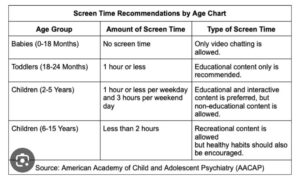
1. Limit Screen Time: Avoid screen time for children under 18 months, except for video chatting. Introduce limited, high-quality programming for children aged 18-24 months, with parental engagement.
2. Prioritize Face-to-Face Interactions: Engage in activities that foster social interaction, such as reading, singing, and playing.
3. Choose Age-Appropriate and Educational Content: Select high-quality, educational programs designed for infants and toddlers.
4. Establish a Consistent Bedtime Routine: Create a screen-free environment before bedtime to support healthy sleep patterns.
5. Have screen free zones eg at the dinning table and in the bedroom. Parents will need to lead by example and avoid screens in these places.Balancing screen time and real-world interactions is crucial for promoting healthy development in babies and children. By following guidelines and being mindful of the potential risks, parents can create an environment that nurtures their children’s growth and learning.
-
Understanding Baby Allergies: Navigating Allergens 🤧👶
Understanding allergies in children: Navigating the World of Allergens 🤧👶
It’s important to be informed and prepared when it comes to our little ones’ health and well-being.
Allergies occur when their immune systems react to certain substances, known as allergens. These can include foods, pet dander, pollen, dust mites, insect bites, or medications. Identifying and managing these allergies is crucial for our little ones’ comfort and health. 🌸
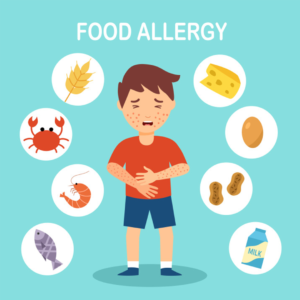
Signs and Symptoms:
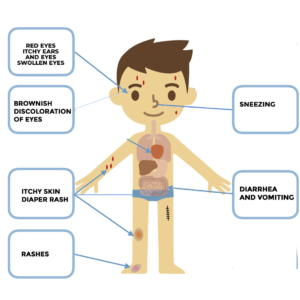
Recognizing allergies in children can be tricky, as symptoms can vary. Look out for signs like skin reactions (rashes, hives, or eczema), respiratory issues (coughing, wheezing, or nasal congestion), recurrent coughs or flus,
digestive problems (vomiting or diarrhea, abdominal pain)
or irritated eyes (redness, watering, or swelling). Being vigilant helps us address allergies promptly.🔍 Managing Baby Allergies:
If you suspect your baby has allergies, consult with a pediatrician for diagnosis and guidance. Here are some general tips to manage baby allergies:1️⃣ Avoid Allergens: Identify and eliminate potential allergens from your baby’s environment. Make changes to their diet, use hypoallergenic bedding, and keep pets away from their living space. Prevention is key! 🚫🐾
2️⃣ Breastfeeding: If you’re breastfeeding, continue doing so. Breast milk provides essential nutrients and antibodies that may reduce the risk of allergies. It’s a superpower we possess! 🤱💪
3️⃣ Introduce Solids Carefully: Gradually introduce new foods, monitoring your baby for any allergic reactions. Introduce common allergenic foods early on, as research suggests it may help reduce the risk of allergies. Let’s explore the world of flavors together! 🥦🍓
4️⃣ Allergy Testing: Consult with your pediatrician about allergy testing to identify specific allergens. This knowledge will help avoid triggers and manage allergies effectively. Knowledge is power! 💡
5️⃣ Medications and Treatments: In severe cases, your doctor may prescribe medications like antihistamines or nasal sprays to alleviate symptoms. Always consult with a healthcare professional before giving your baby any medication. Safety first! 🩺❤️
6️⃣ Emergency Preparedness: If your baby has severe allergies, create an emergency action plan. Educate caregivers on recognizing and responding to allergic reactions, and keep necessary medications readily available🦸♀️🚑
Avoid smoking in environments with babies and children. Tobacco smoke can be a trigger in a lot of children.
Remember, each baby is unique, and their allergies may differ. By staying informed, working closely with your pediatrician, and creating a safe environment, we can manage our babies’ allergies and ensure their well-being. Together, we’ve got this! 💪❤️
Disclaimer: This post is for informational purposes only and should not replace professional medical advice. Always consult with a healthcare provider for personalized guidance and treatment options.
#BabyAllergies #ParentingTips #HealthAndWellbeing #KnowledgeIsPower
#Eczema